


What Are Lumens and Why Do They Matter for Floor Lamps?
Lumens measure the total amount of visible light emitted by a light source. The higher the lumen count, the brighter the light. When choosing a floor lamp, understanding how many lumens you need for a specific area helps ensure you get just the right amount of light. It’s important to remember that more lumens doesn’t always mean better lighting. The key is finding the ideal brightness that fits your space and needs. Tip: While wattage measures energy use, lumens measure brightness. So, even a low-wattage bulb can provide plenty of light if it’s designed with a high lumen output.
How Many Lumens Do You Need for Different Rooms?
The number of lumens you need depends on the function of the room. Generally, brighter rooms like kitchens or home offices require higher lumen output, while more relaxed spaces like living rooms and bedrooms benefit from softer, lower lumens. Below are some basic lumen guidelines to help you determine the brightness level that’s right for each room.
Living Room and Common Areas
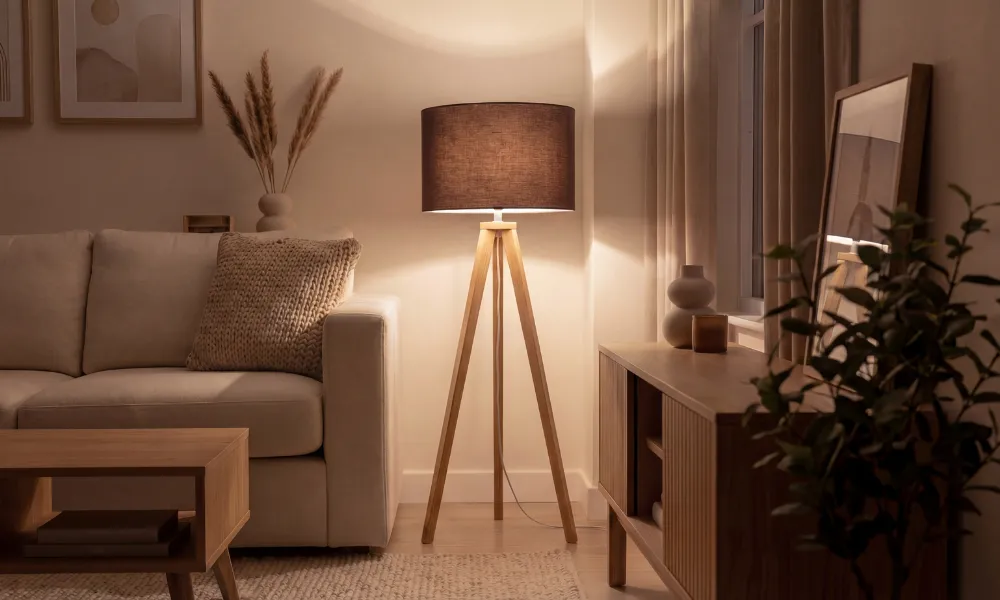
For living rooms and other communal spaces, aim for around 1,000 to 2,000 lumens per room. These spaces benefit from medium brightness to support a variety of activities, from reading to socializing. A floor lamp in a living room should provide ample light without being too harsh, contributing to a cozy, welcoming atmosphere.
Bedroom
In a bedroom, you don’t need intense brightness. Aim for 500 to 1,000 lumens per room. You can use a combination of floor lamps and table lamps to achieve the desired ambiance. A softer light encourages relaxation and restfulness. If you’re using your floor lamp for reading, consider placing it next to your bed or in a reading nook with adjustable brightness for a more focused light zone.
Home Office
Home offices need brighter lighting to enhance focus and productivity. Aim for around 2,000 lumens or more for a home office space. A well-lit area is essential for tasks like reading, writing, or working on a computer. Consider using a higher-lumen floor lamp with an adjustable shade to ensure the light shines on your desk without causing glare on screens.
Dining Room
For the dining room, a floor lamp should provide 1,000 to 2,000 lumens. Dining areas require focused, bright light that doesn’t overwhelm the room’s ambiance. A floor lamp can complement your ceiling lighting, giving you extra illumination during meals or gatherings. However, avoid harsh direct light – a dimmable floor lamp allows you to adjust the brightness as needed.
Bathroom
Bathrooms, especially those with mirrors, require high, focused lighting. Aim for 1,500 to 2,000 lumens per room. While floor lamps are uncommon in bathrooms, if you use one, ensure it provides ample light without creating shadows around mirrors or your vanity.
How to Choose the Right Lumen Output for Your Floor Lamp
Choosing the right lumen output for your floor lamp depends on the room, the activities you do there, and the atmosphere you want to create. Here are some factors to consider when selecting a floor lamp for your home.
Consider the Room Size
The larger the room, the more lumens you’ll need. For small rooms or cozy corners, lower lumen output is often enough to provide comfort and functionality. On the other hand, larger rooms, like an open-plan living area or a spacious kitchen, may require several light sources to achieve proper brightness.
Purpose of the Space
Different activities require different levels of light. If the room is primarily for relaxation or entertaining, opt for a softer, lower lumen output. If the space is used for reading, working, or cooking, higher lumens are necessary to prevent eye strain and ensure tasks are done comfortably.
Adjustable Brightness
If you want more flexibility in your lighting, consider a floor lamp with adjustable brightness or a dimmer switch. This way, you can adjust the light intensity based on the time of day or the activity you’re engaged in. For example, a floor lamp in the living room might offer 1,500 lumens during the day when you need bright light, but dim it down to around 500 lumens at night for a more relaxing vibe.
Best Floor Lamps for Every Space
Now that you know how to select the right lumen output for your space, it’s time to explore our floor lamp collections, designed to fit perfectly into any room.
- Floor Lamps: A wide range of styles and lumen outputs for living rooms, bedrooms, and more.
- Bedroom Lamps: Soft, ambient lighting designed to create a relaxing atmosphere.
- Desk Lamps: Perfect for home offices and task-oriented areas.
- Outdoor Lamps: Bright, durable lamps to enhance your outdoor space.
Explore More: Lumen Tips for Specific Spaces
For more insights on how to choose the right lighting for your home, check out the blog category Wood Floor Lamp Placement In Living Rooms: Where It Works Best. Our articles cover everything from lumen output to lamp placement, ensuring your home is always well-lit and stylish. Don’t settle for poor lighting – explore our full range of lamps and choose the perfect one for your space today: Floor Lamps, Bedroom Lamps, Desk Lamps, and Outdoor Lamps.
Final Checklist for Floor Lamp Lumens
- Ensure your lamp provides enough light for the room’s function without creating glare or shadows.
- Choose the right lumen output for your space – larger rooms need more lumens.
- If you need flexibility, opt for a dimmable lamp to adjust the light for different activities.
- Place the lamp where it serves its purpose, whether it’s for reading, relaxing, or entertaining.
By considering lumens carefully, you’ll have a floor lamp that fits your lighting needs and enhances your home’s ambiance.